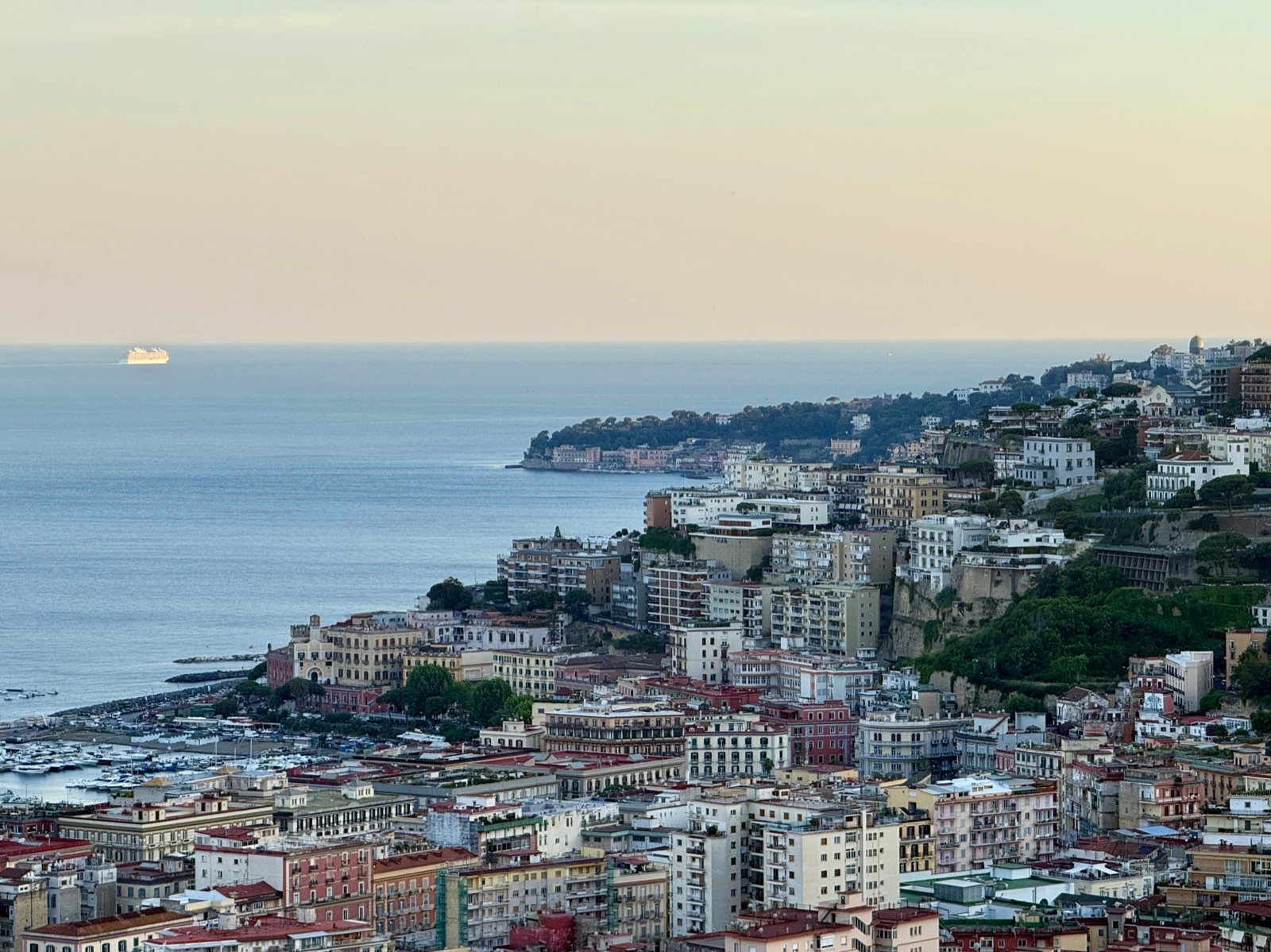
Four days in Naples was exactly enough time to fall for the city, which honestly feels like the right amount for a first visit. We used it as our home base for two of the best day trips in southern Italy (Pompeii and the Amalfi Coast) and still had time to just wander, eat an unreasonable amount of pizza hehe, and get properly lost in the Spanish Quarter. If you're planning a 4 days in Naples itinerary, here's exactly what we did, what I'd change, and where I'd actually recommend staying.
Is 4 days in Naples worth it?
Yes, and 4 days is close to the sweet spot. One day to explore the city, one for Pompeii, one for Amalfi, and a slower fourth day to catch anything we'd missed. With only three days, I'd cut the slow day rather than either day trip.
We went end of May, which turned out to be a great window. Warm enough to swim at Mappatella Beach, not yet peak summer heat, and the crowds at Pompeii and on the Amalfi Coast were manageable rather than miserable.
Where to stay in Naples
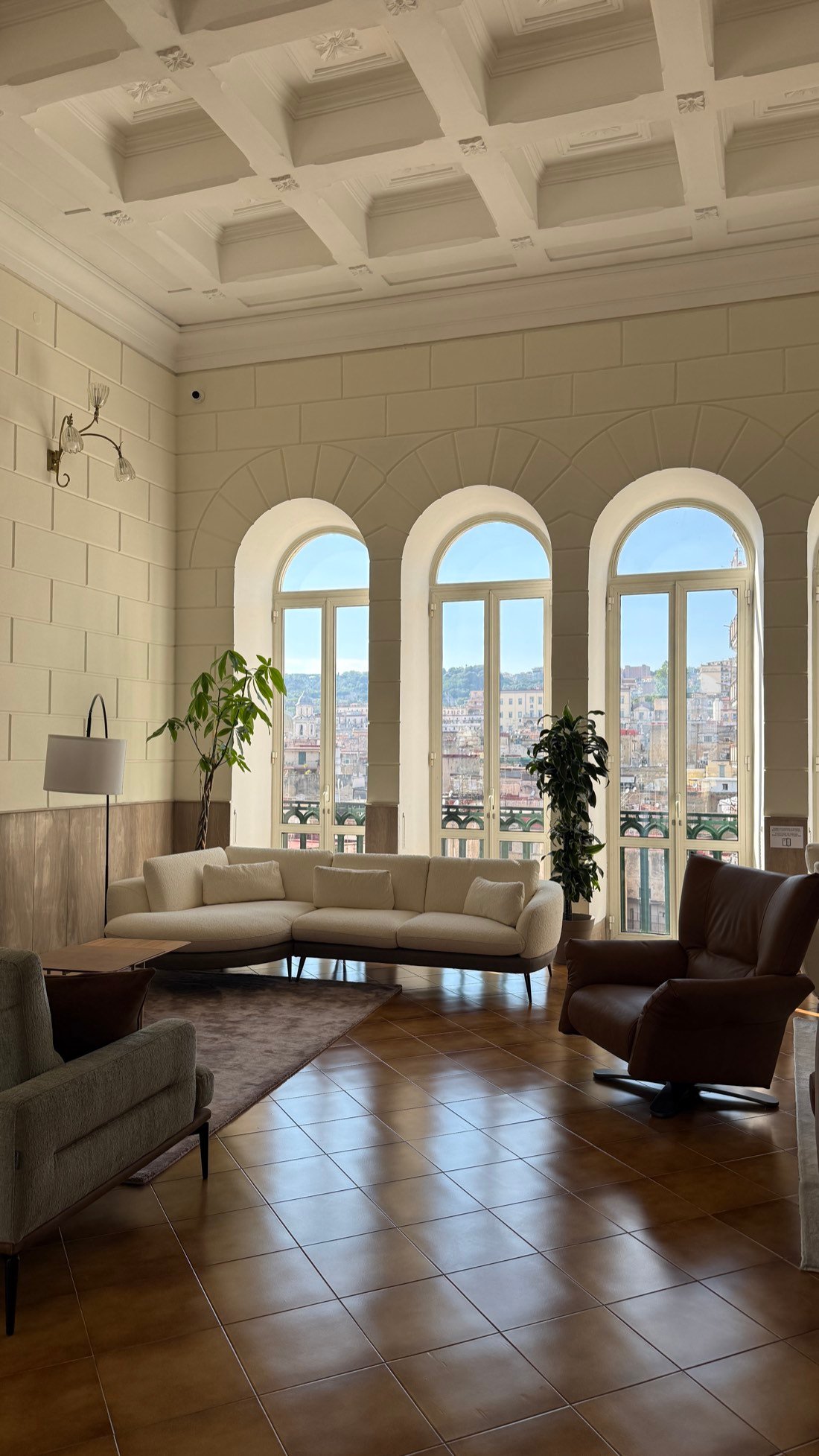
We stayed at a monastery turned bed and breakfast on Vico Castrucci Lane, right in the historic center. It's a five minute walk to the Cavour metro stop on Line 2, about 20 minutes from Quartieri Spagnoli by public transport (or a 10 minute drive), and about a 10 minute walk to the Duomo di San Gennaro, so it's genuinely well placed. The building itself is a big estate on its own: stone corridors, a proper cloister, and surprisingly quiet once you're inside. The lane right outside is a different story. It's dead center in the oldest, busiest part of the city, so there's constant scooter noise, laundry lines overhead, and streets narrow enough that you're sharing them with delivery mopeds at all hours. It's not dangerous, just a lot, especially coming back late. I'd genuinely recommend this one if you want to be central without giving up a quiet place to actually sleep.


If you'd rather trade that central location for a different vibe, here are three other areas worth considering:
- Chiaia: the neighborhood we spent our first evening in, and easily the most put together part of the city. Wide streets, a proper waterfront promenade, good restaurants and bars. A bit further from the historic sights, but well connected by bus and an easy walk to the water.
- Centro Storico, just off Spaccanapoli: still central and walkable to everything, but the main street itself is wider and calmer than the tangle of Quartieri Spagnoli one block over. You get the convenience without quite as much noise.
- Vomero: up the hill, reached by funicular, and a completely different pace. Quieter, more residential, with some of the best views over the bay. Good if you want a break from the noise at the end of each day and don't mind the funicular ride down each morning.
Browsing hotels in Naples on Trip.com by neighborhood is an easy way to compare these three areas against your budget before you commit.
Day 1: Arrival, Scuggurio, and Chiaia at night
Afternoon, 1pm: arrival and lunch at Scuggurio
We arrived in Naples in the afternoon after a 2.5 hour Flixbus ride from Rome that cost us just 7 euros. (If Rome is your first stop too, here's our 3 days in Rome budget itinerary.)
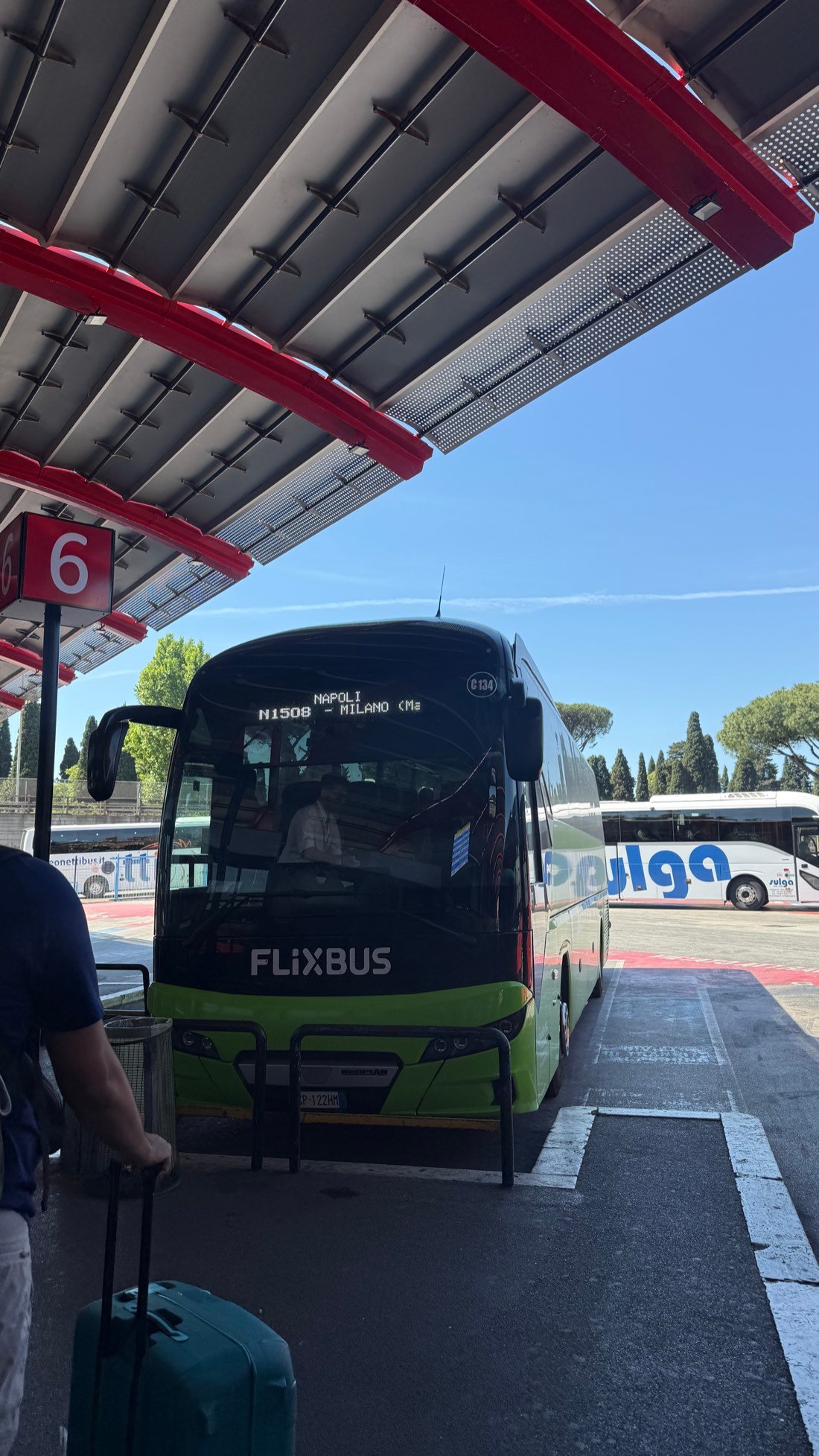
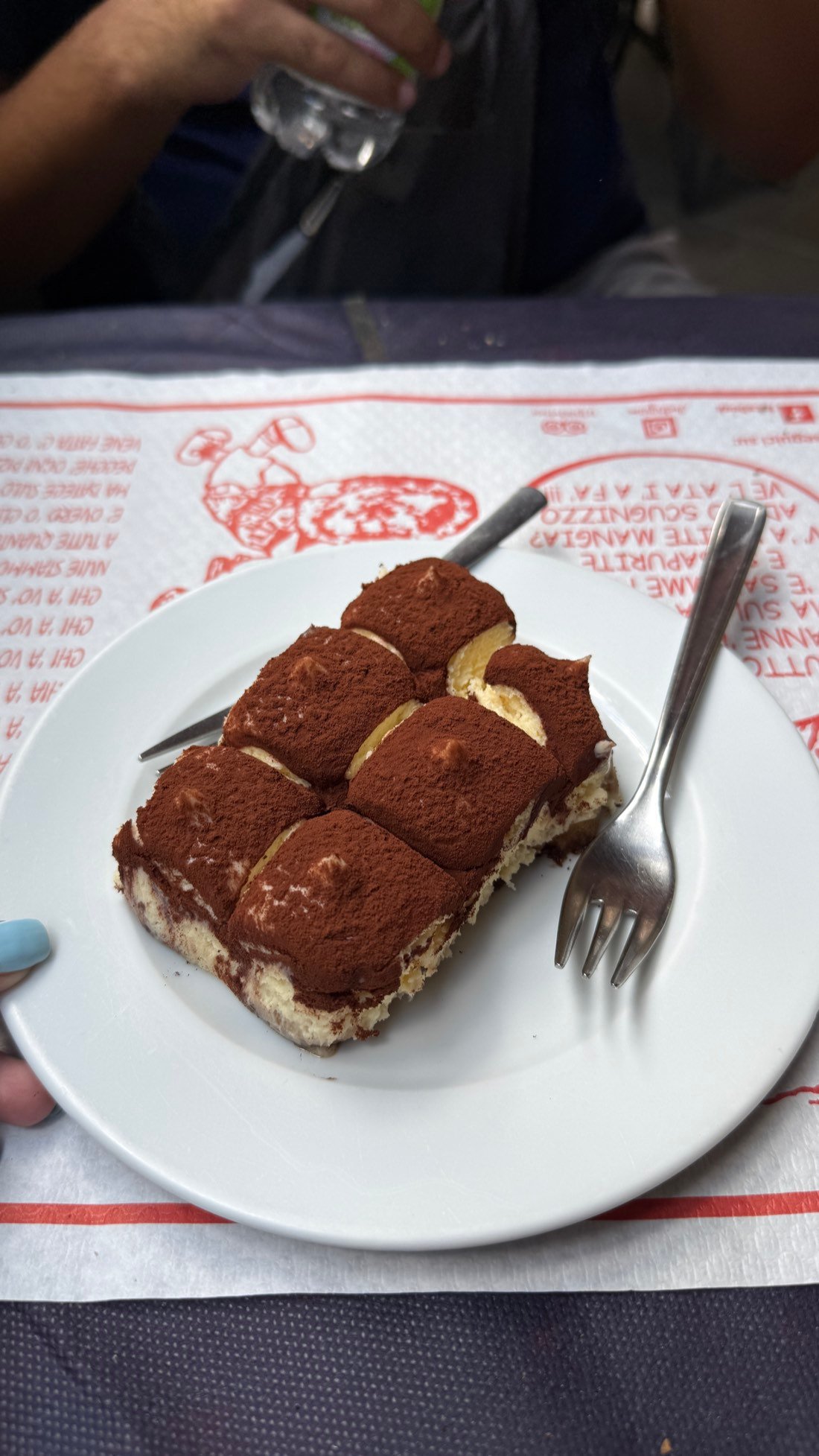
The Flixbus drops you at the bus stop rather than the main station, and Scuggurio, a pizzeria, happened to be just a few minutes' walk away, so we went straight there to eat before even checking in. It was our first proper Neapolitan pizza, sooooo yummy, Napoli-style, and it set the bar high for the rest of the trip. We only headed to the Airbnb to drop our bags afterwards.

Evening: Chiaia and the waterfront
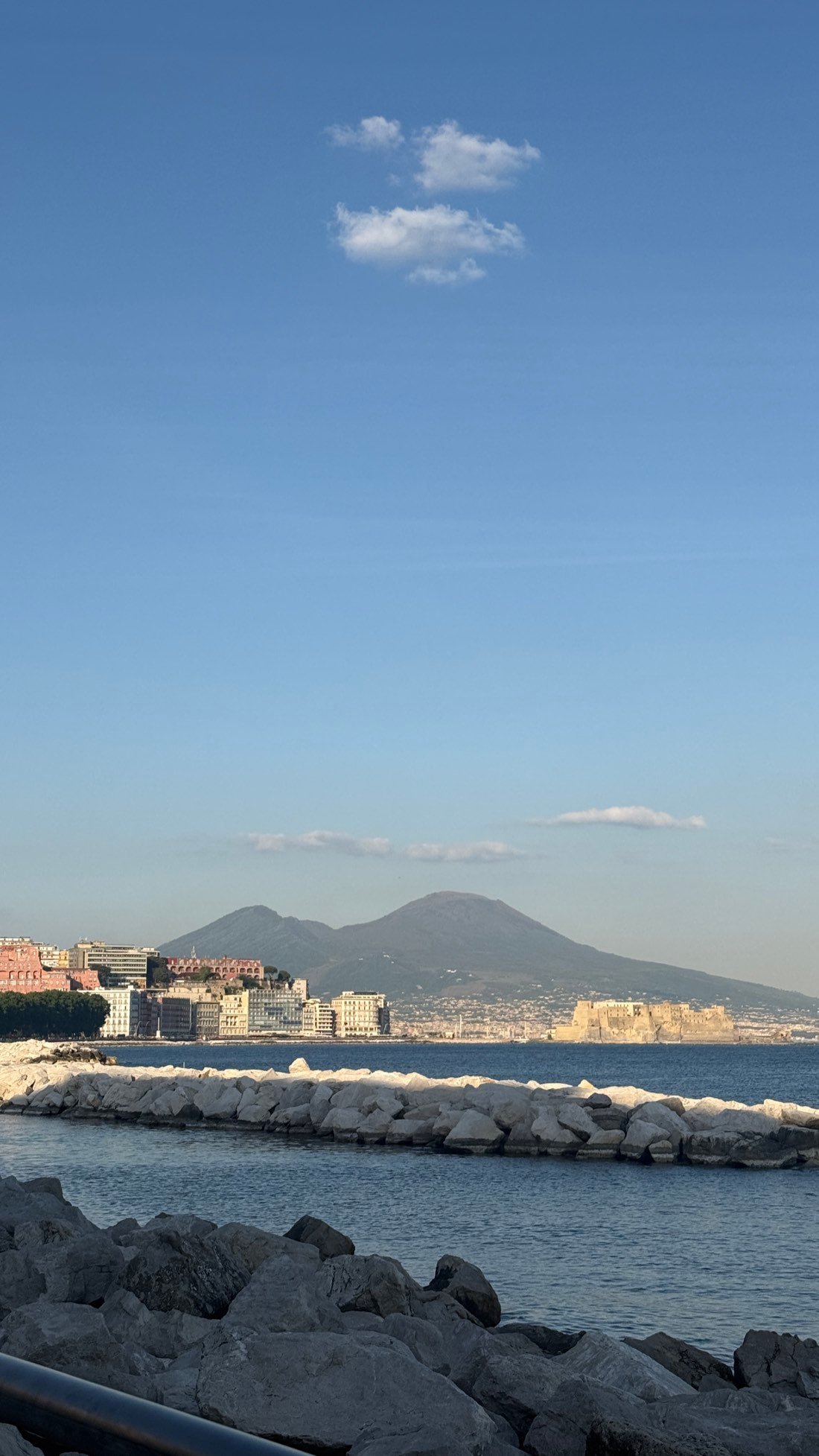
In the evening, we took the train over to Chiaia, which is easily the prettiest, most upscale part of the city. The waterfront itself was lovely and properly windy, I loved it, and the promenade gives you a proper look at the bay.
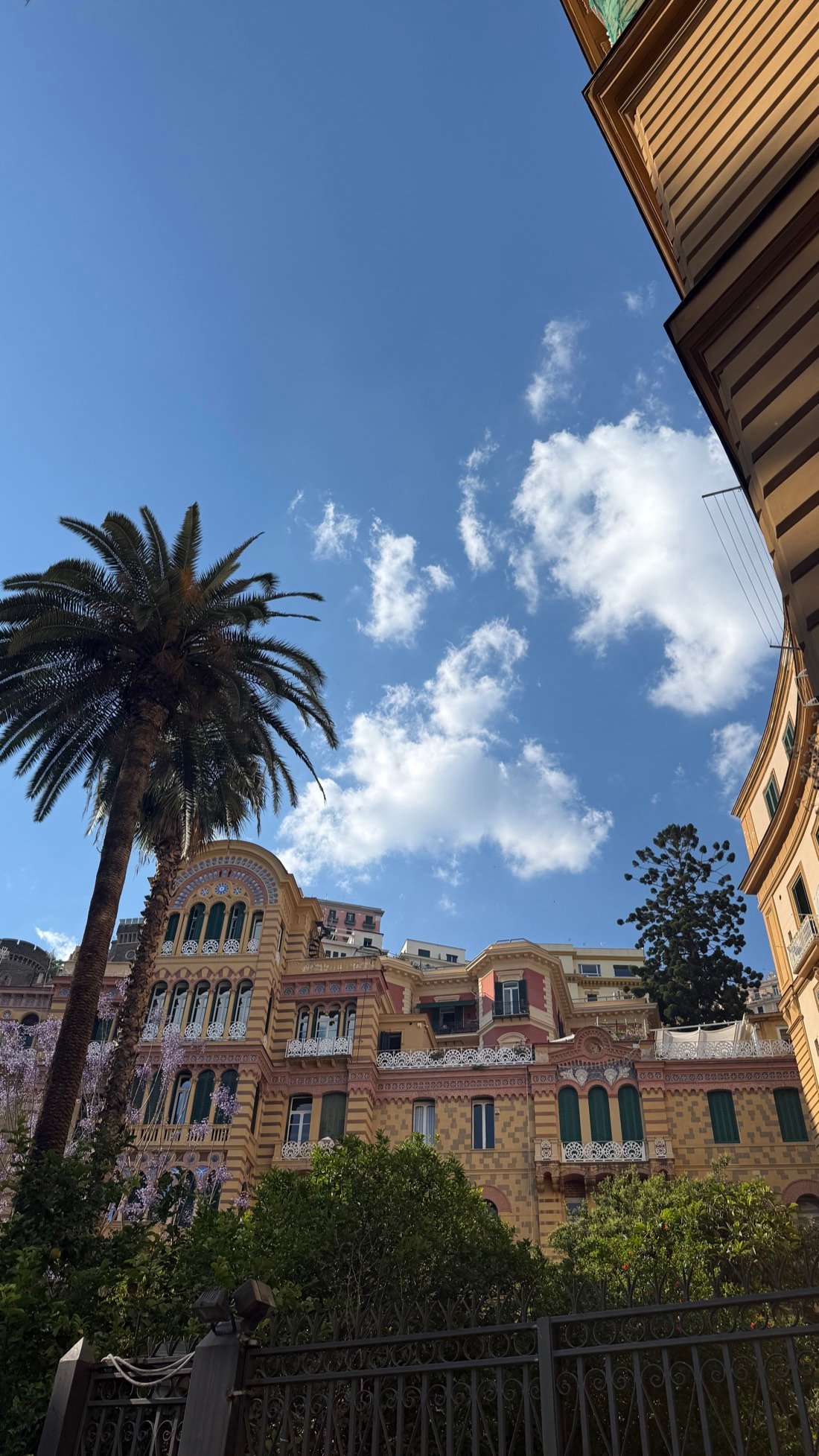

Castel dell'Ovo sits right where the water meets the city, worth a slow walk past even if you don't go further in that first evening.
Day 2: Capodimonte, then Pompeii in the afternoon
Morning: Capodimonte Museum and Park
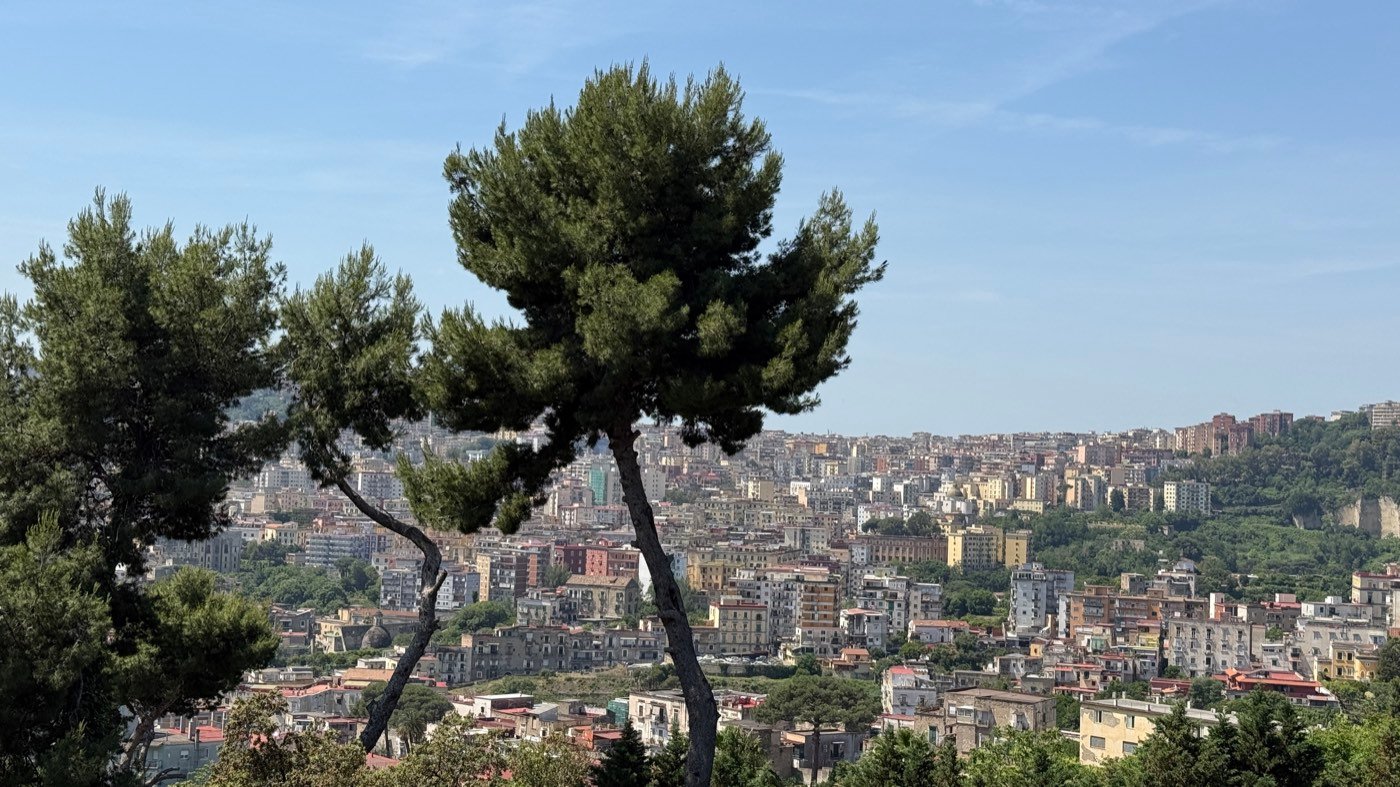
We walked up from our Airbnb, about 20 minutes uphill, and it was a nice walk through the local neighborhoods on the way. We started at Capodimonte, one of southern Italy's largest art galleries, set inside a former Bourbon royal palace with grounds big enough to properly walk off breakfast. We actually didn't go into the museum itself, just wandered the park grounds at our own pace.

If you want to actually see the collection (the Farnese collection alone has a lot of history behind it), Askos Tours runs a private guided tour of Capodimonte that covers the highlights in about two hours.
Afternoon: Pompeii
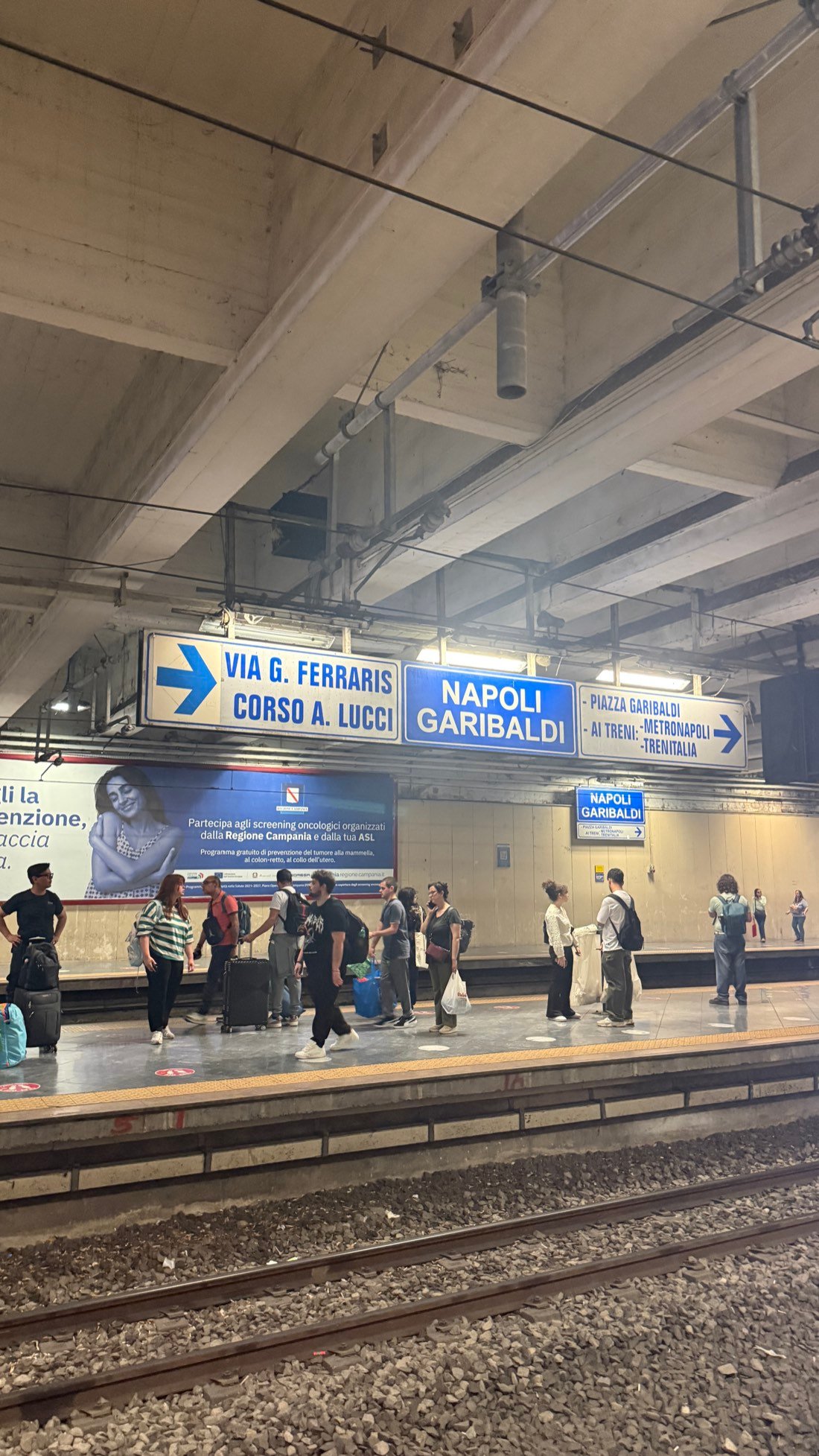
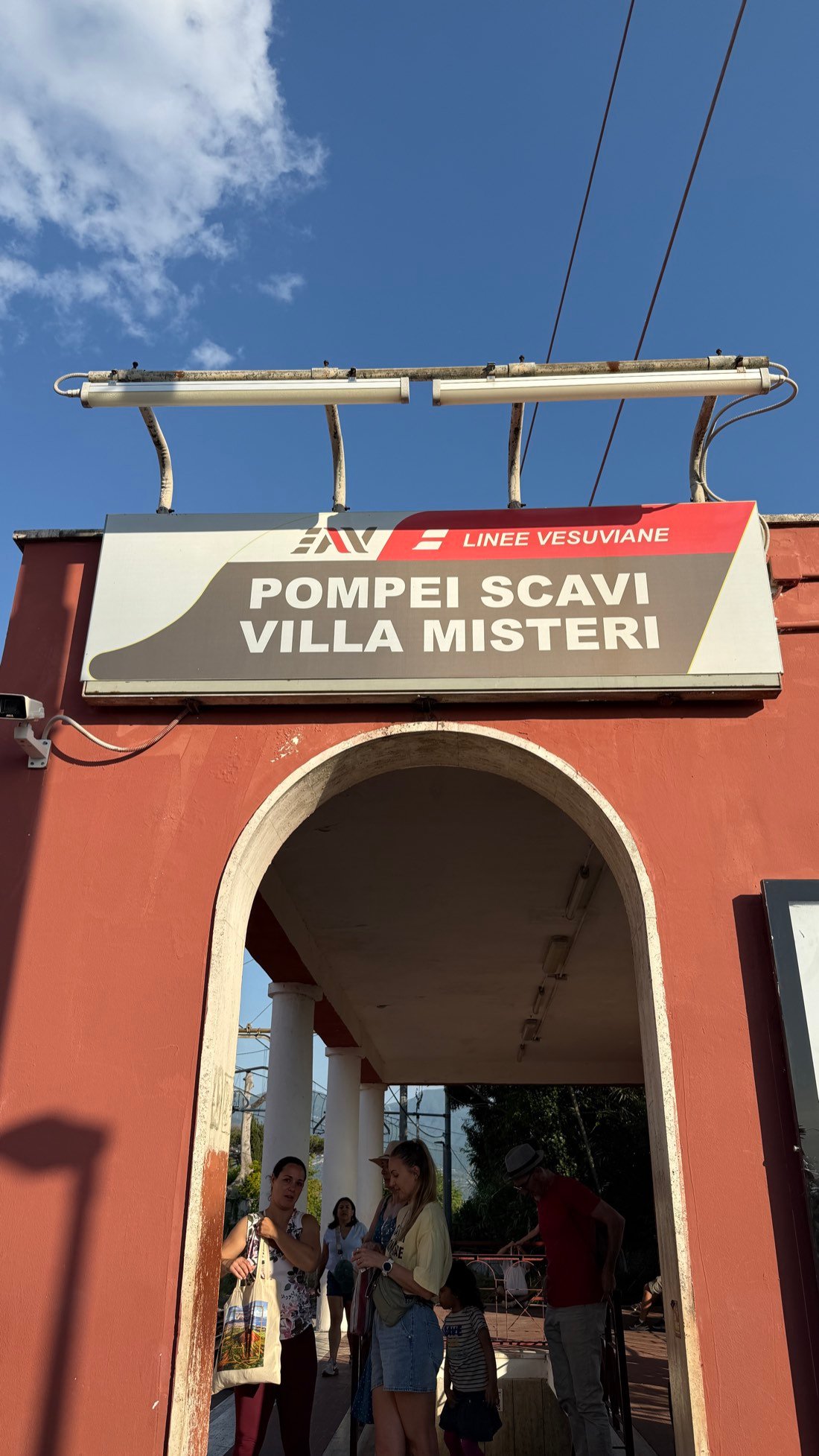
We took the train out to Pompeii at 1pm. Take the Circumvesuviana or the newer MET line from Napoli Centrale to the Pompeii stop. It's about 40 minutes and trains run roughly every 30 minutes, so there's no need to plan around a specific departure.
We booked a small group tour with entrance tickets and an archaeologist guide, plus earpieces so we could hear the guide without crowding around them. The guided tour was about 2 hours long. After that, they hand you an audio guide so you can keep exploring on your own until closing time. The weather up there was noticeably cooler too, being up the hill.
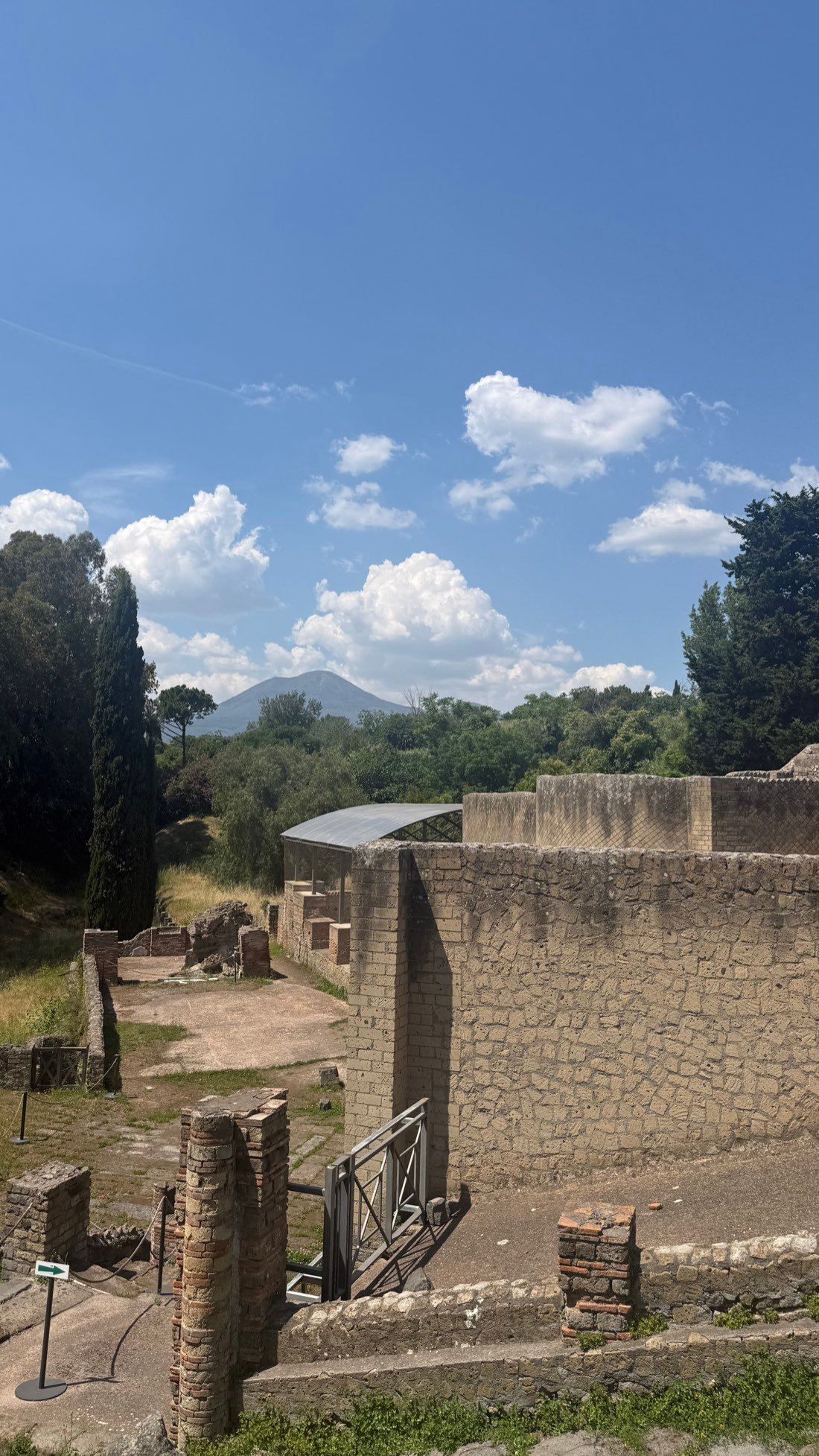
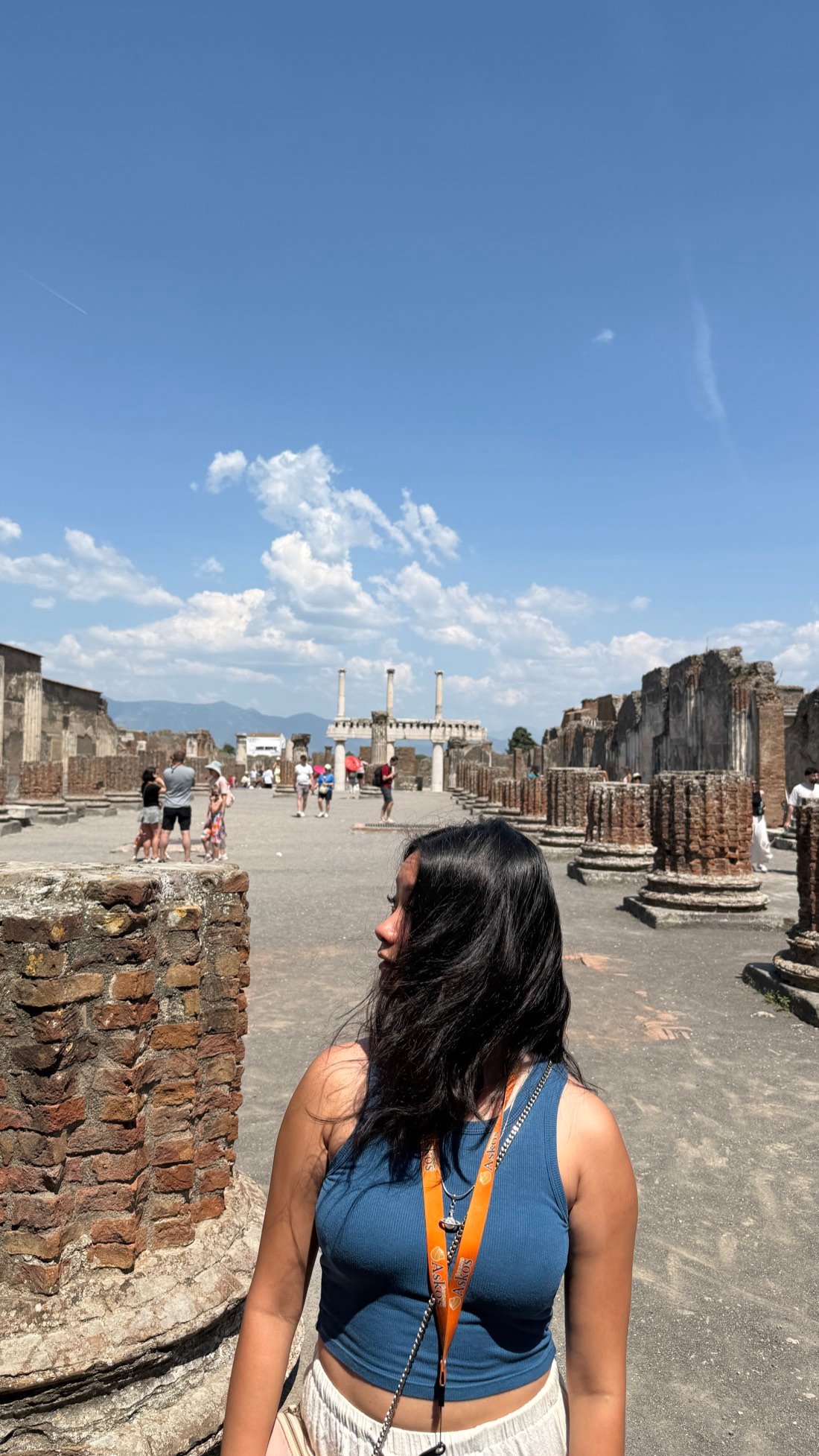
Having a guide meant we actually understood what we were looking at rather than wandering past ruins with no context. (If you'd rather go without a guide, there's a cheaper entrance ticket with a digital audio guide instead.)
Evening: dinner at 50Kilo
Back in Naples, we ate at 50Kilo, which is actually in the Michelin Guide. The pizzas were sooo gooood, and probably why the queues were so long haha. We didn't actually sit down until around 9pm, since the sun sets so late in Naples that everything just runs later than you'd expect.

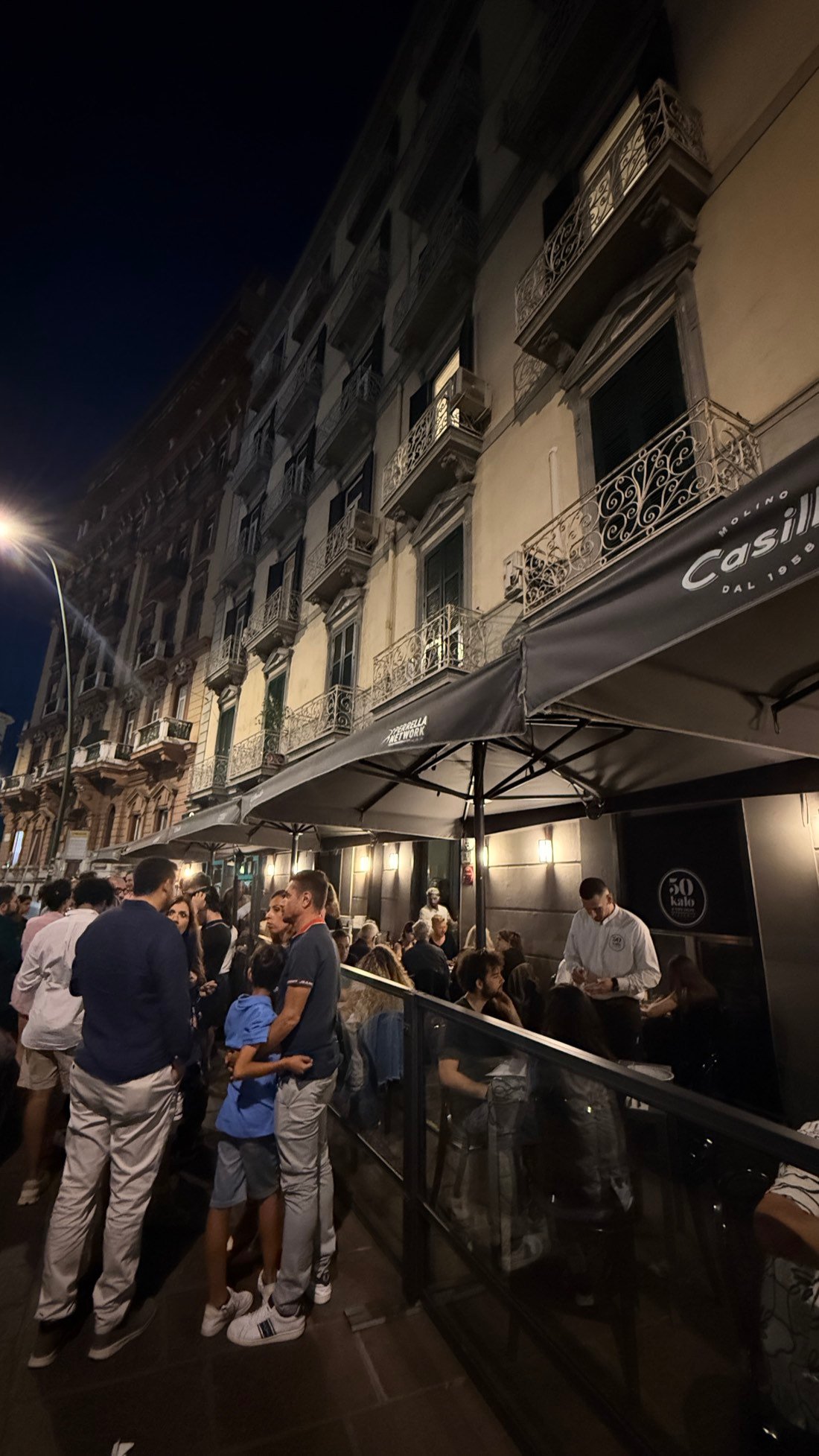
Day 3: the Amalfi Coast, then Quartieri Spagnoli at night
This was our full day trip to the Amalfi Coast, and it was long but worth it. We booked the whole day through this Amalfi Coast tour, which covered Ravello, Amalfi, and a stop in Agerola for photos.
8am: pickup and Ravello
We met our guide at 8am near the Museo Archeologico Nazionale di Napoli and drove first to Ravello, where we had free time to walk around.
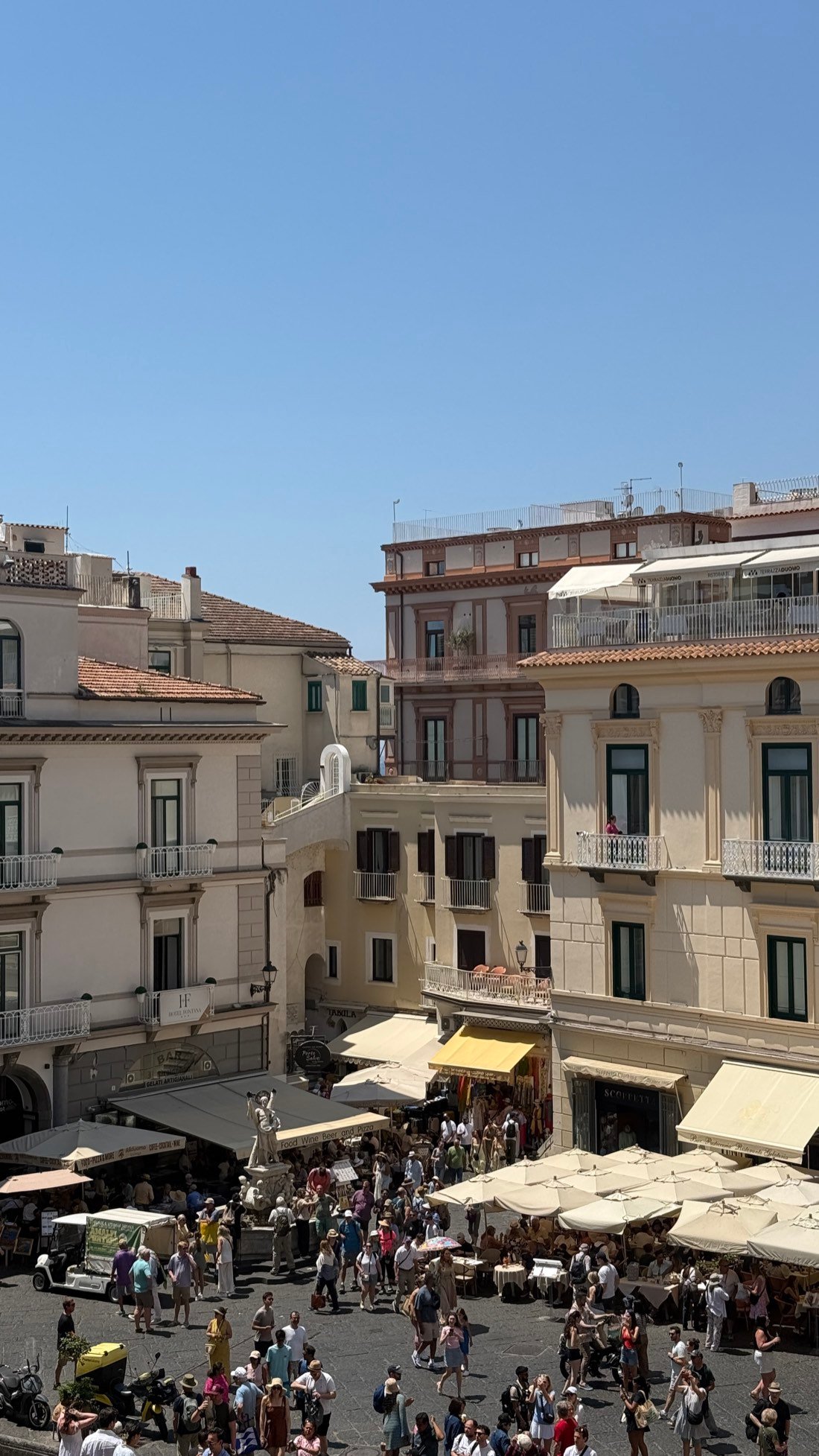
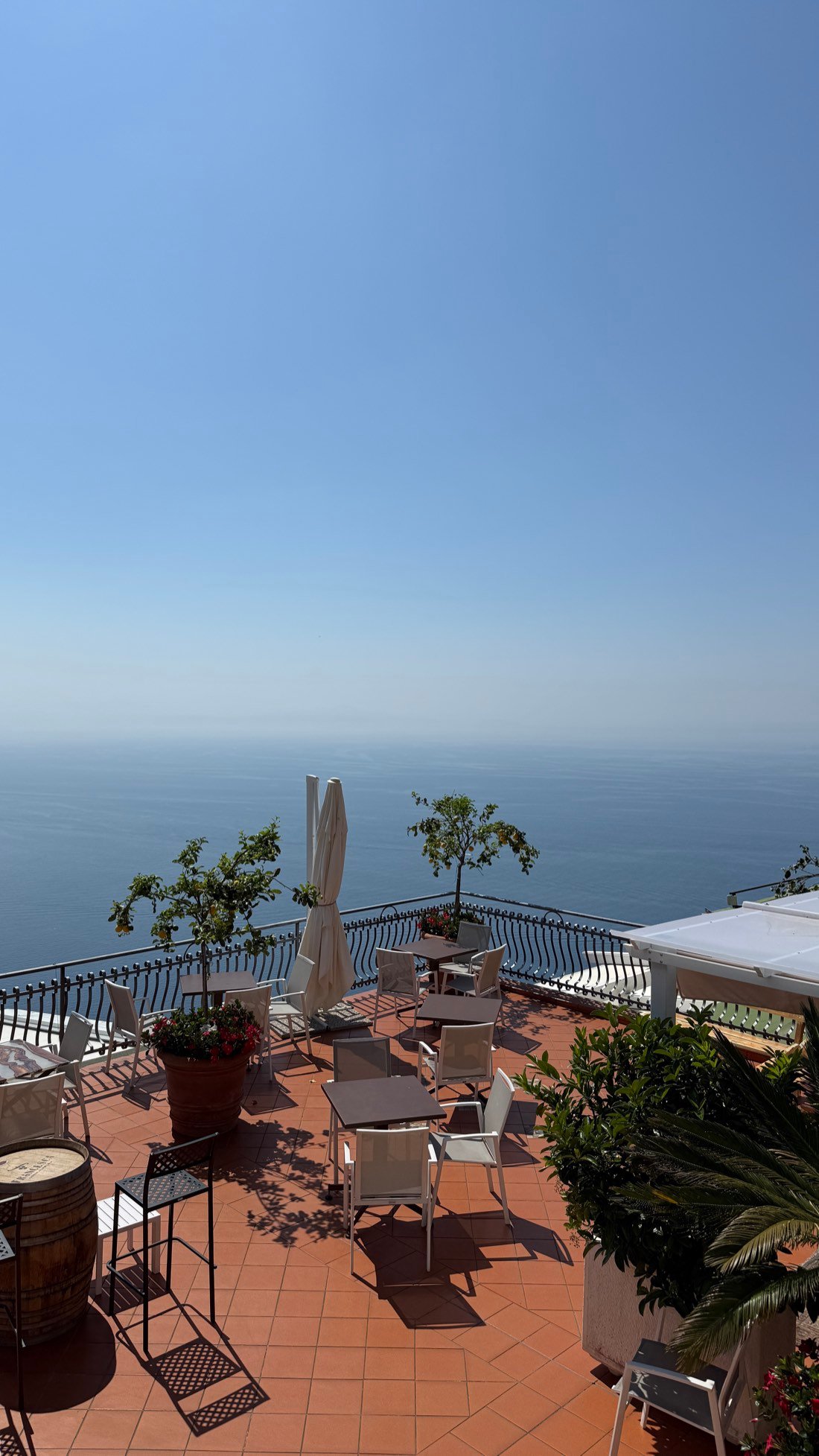
Villa Rufolo and Villa Cimbrone both charge entry, and we skipped them in favor of just walking to the bus stop, where the views out over the coast were honestly just as good for free, and yesss, they were gorgeous.
Midday: Amalfi town
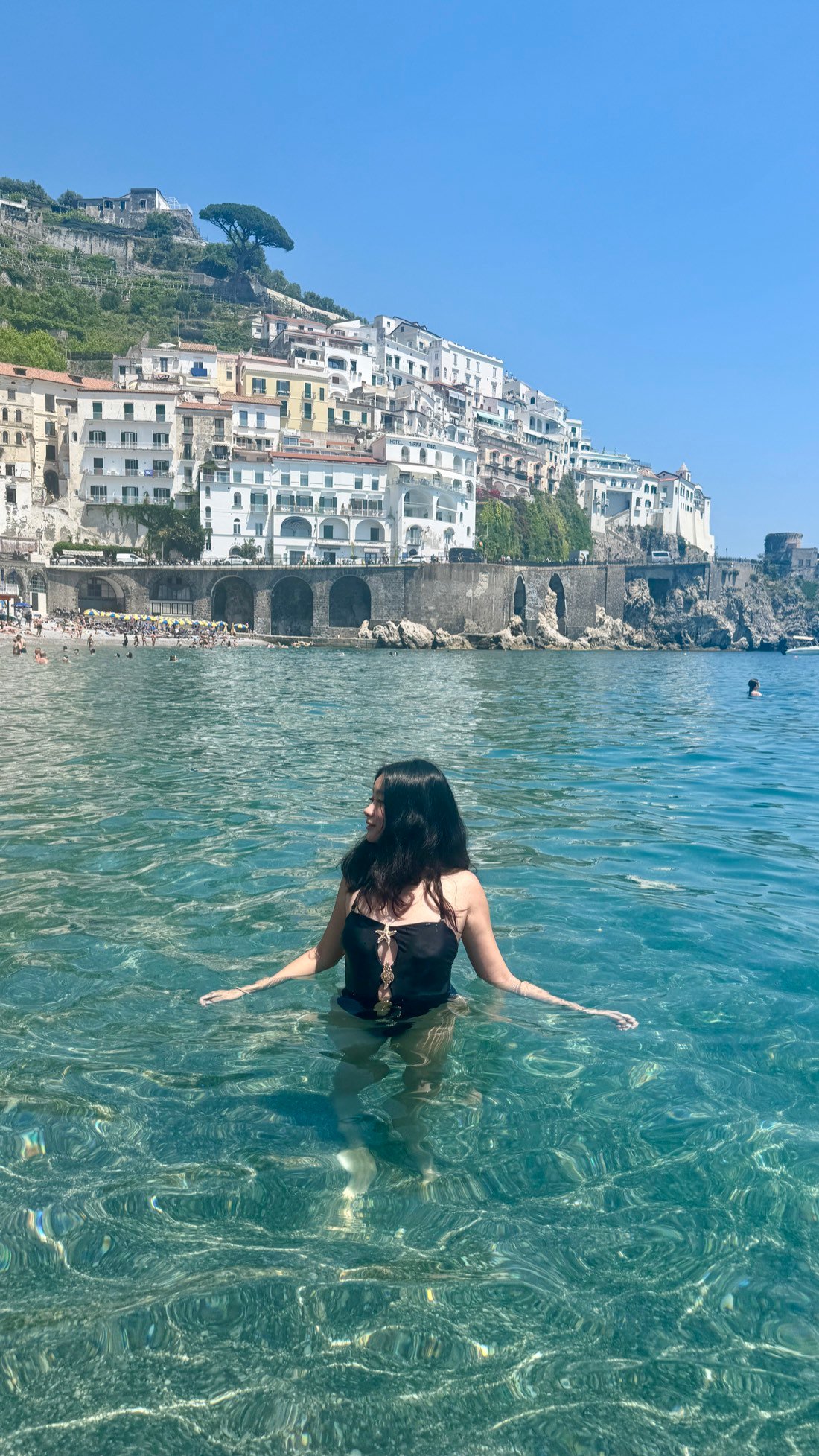
From Ravello we drove down to Amalfi itself, which was packed. We went for a swim in the ocean since the town beach is free to swim at, or you can rent a day bed from around 10 euros if you want somewhere to actually sit. The Duomo di Sant'Andrea is also free to visit.
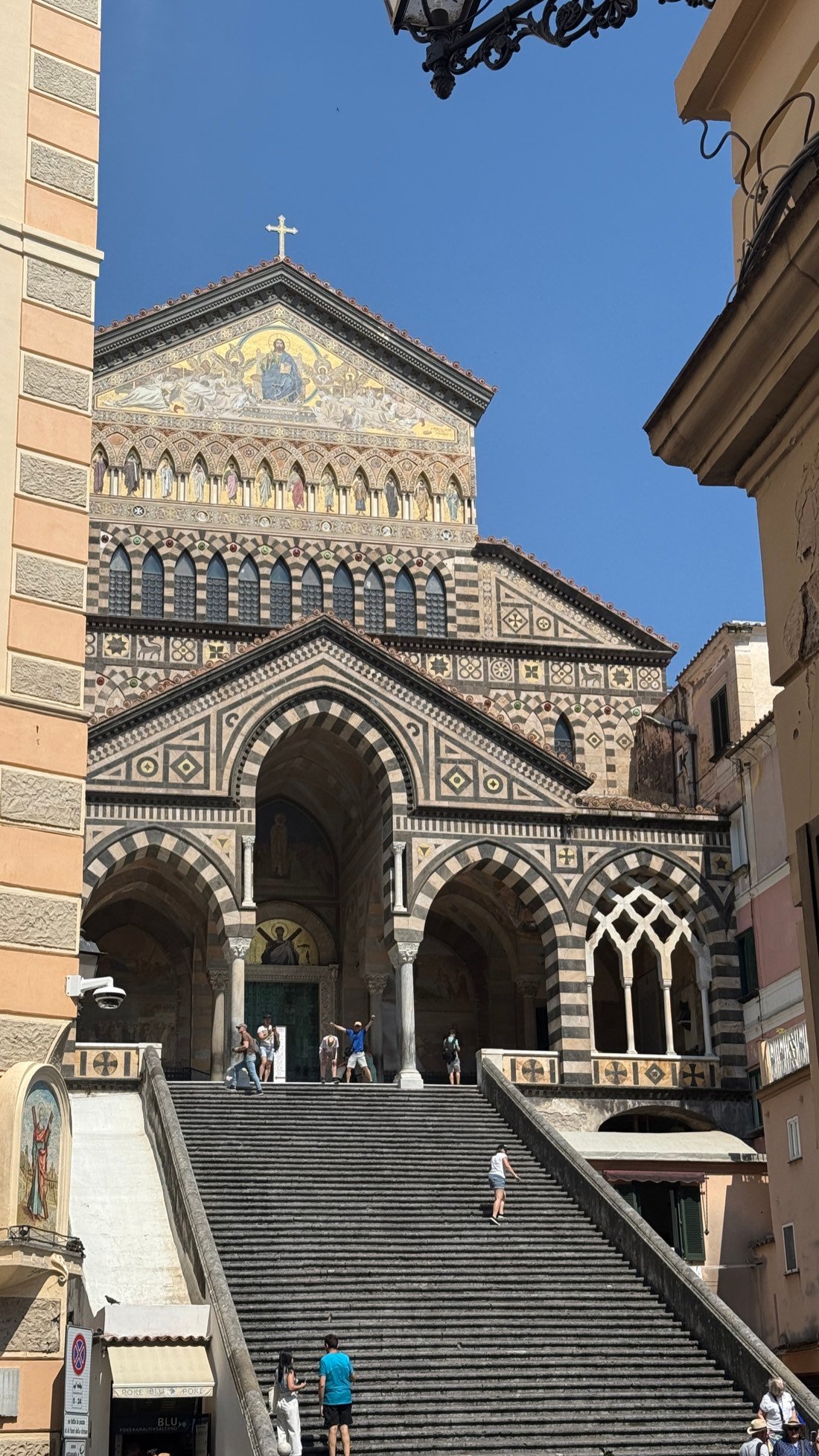
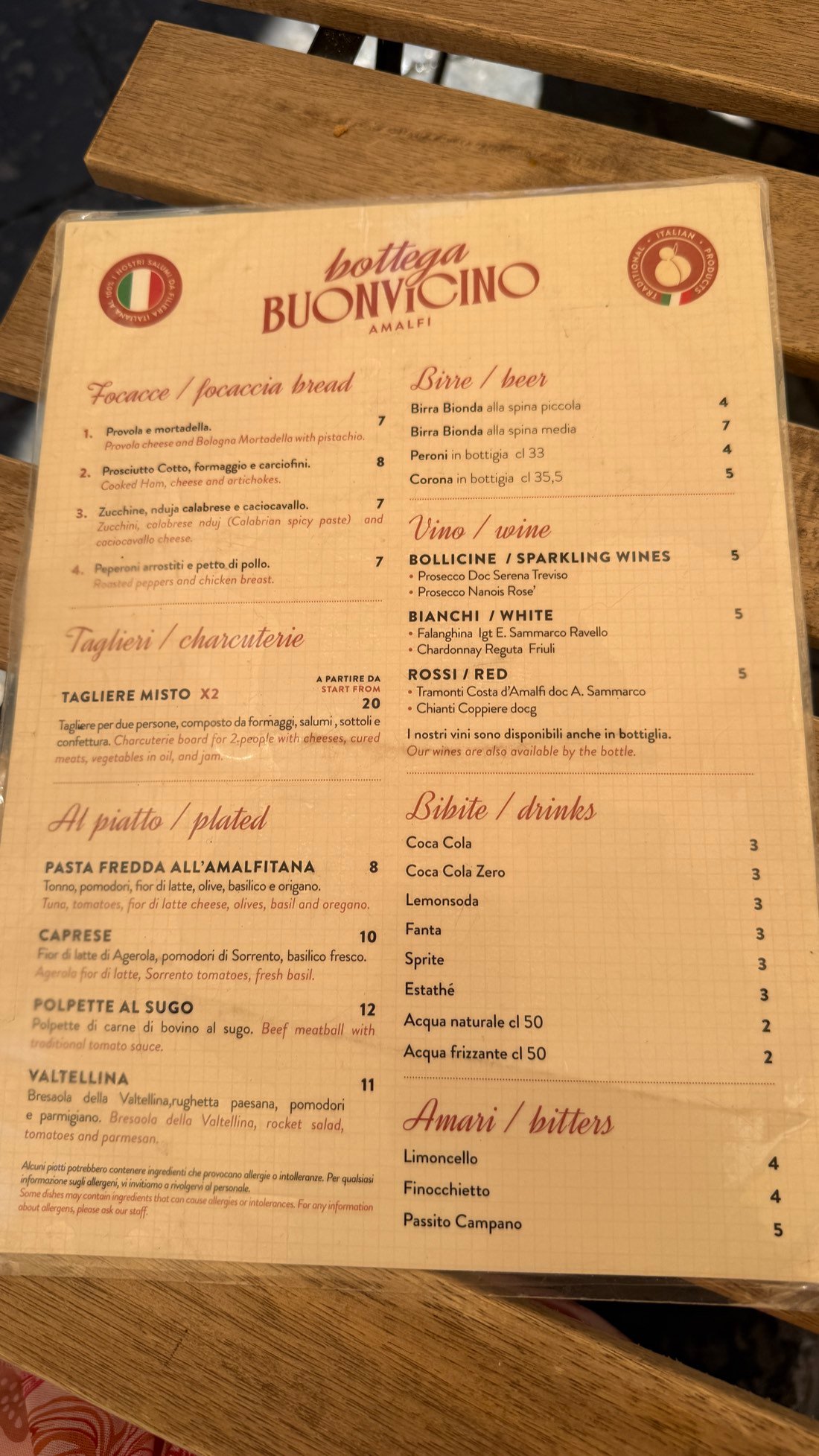
Restaurant prices along the water are veryyyy steep, so we ducked into Bottega Buonvicino, right beside the Duomo, for genuinely good value and deliciousssss sandwiches, around 8 euros each, then finished with gelato before we had to move on.

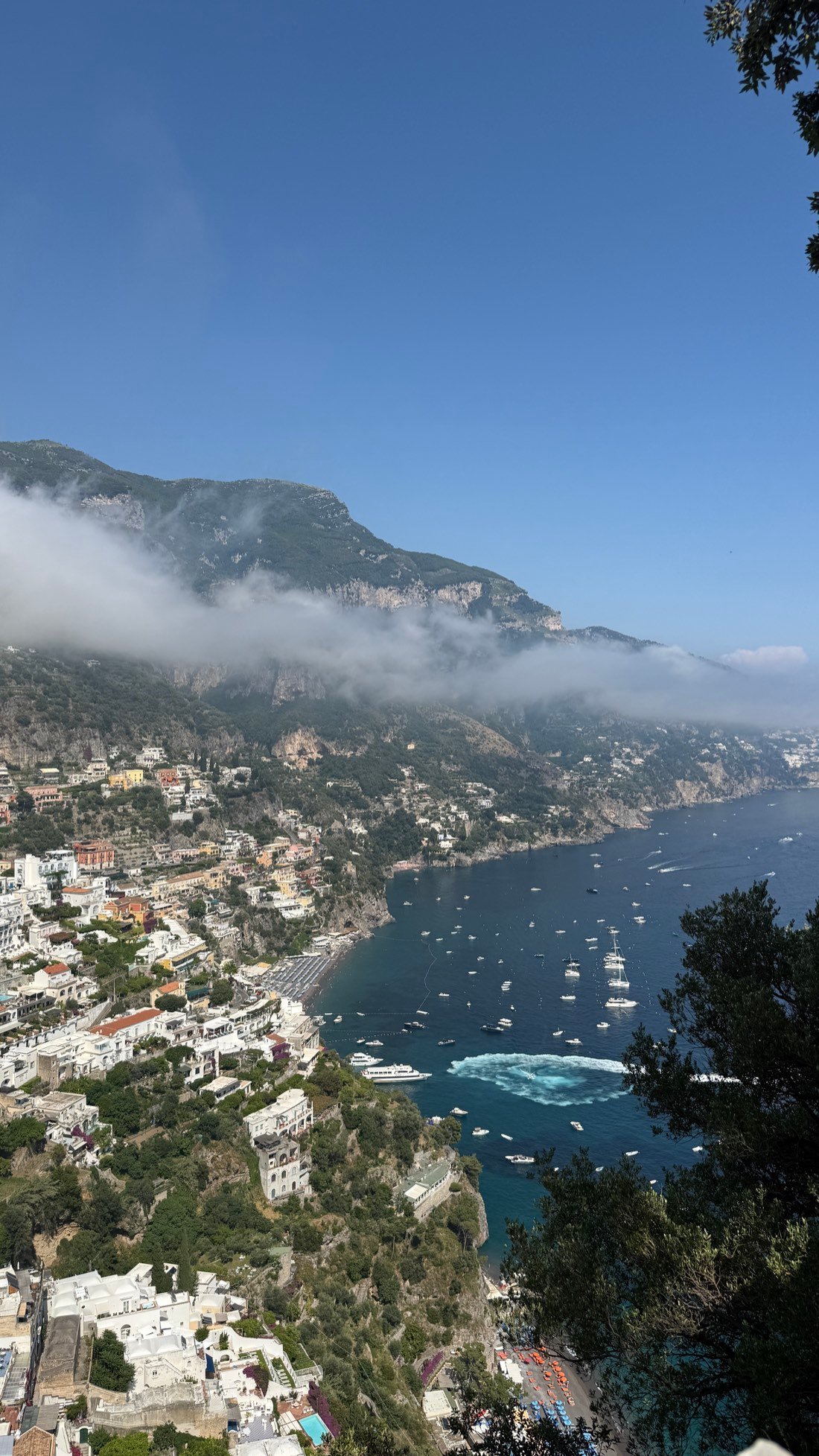
We didn't make it to Positano on this particular route, which stung a little, but there simply wasn't time :( If you want more time on the coast than a day trip allows, it's worth looking at staying overnight instead. You can browse Ravello hotels or Amalfi hotels on Trip.com.
Evening: Quartieri Spagnoli and Forno Pop
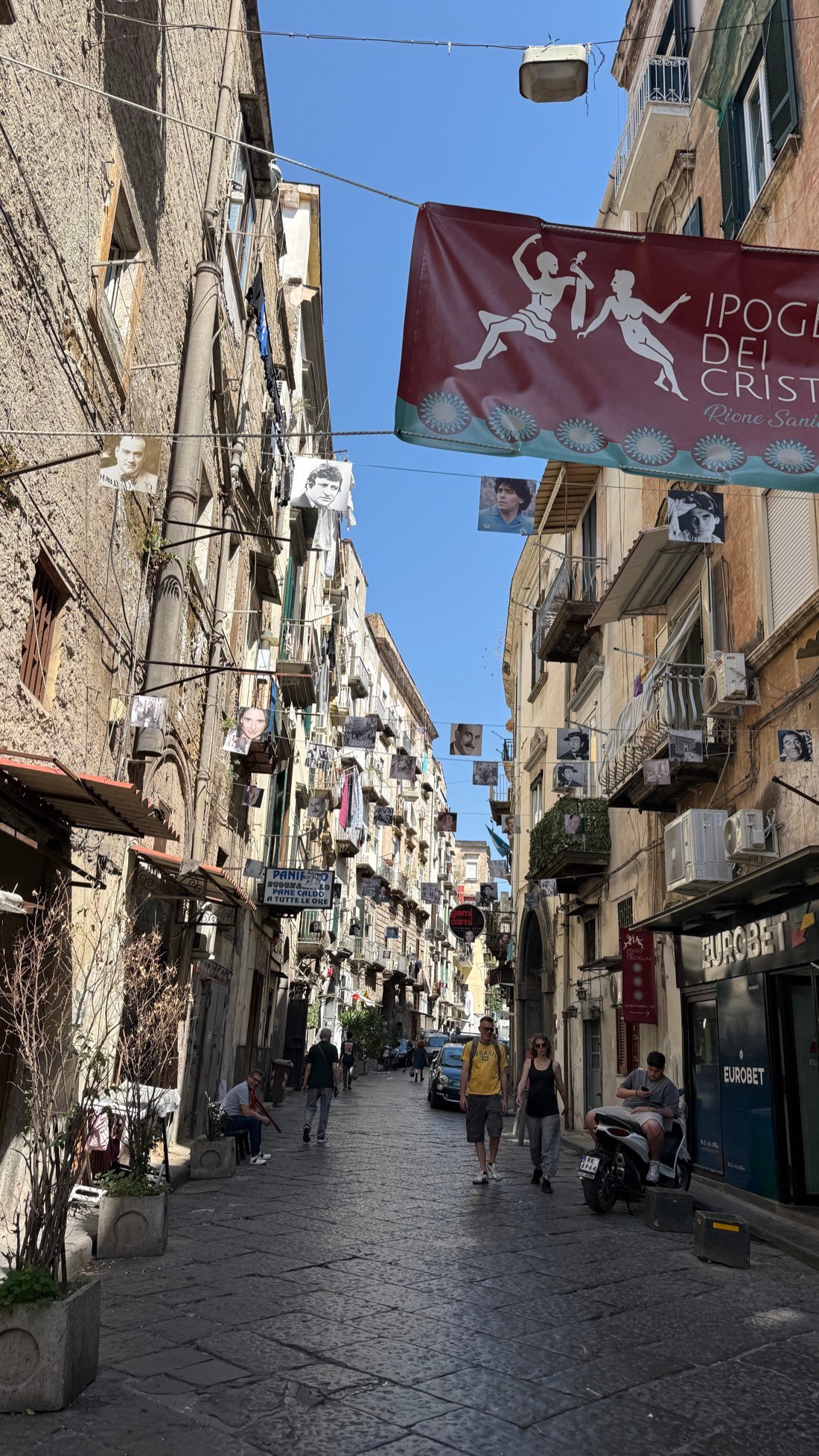
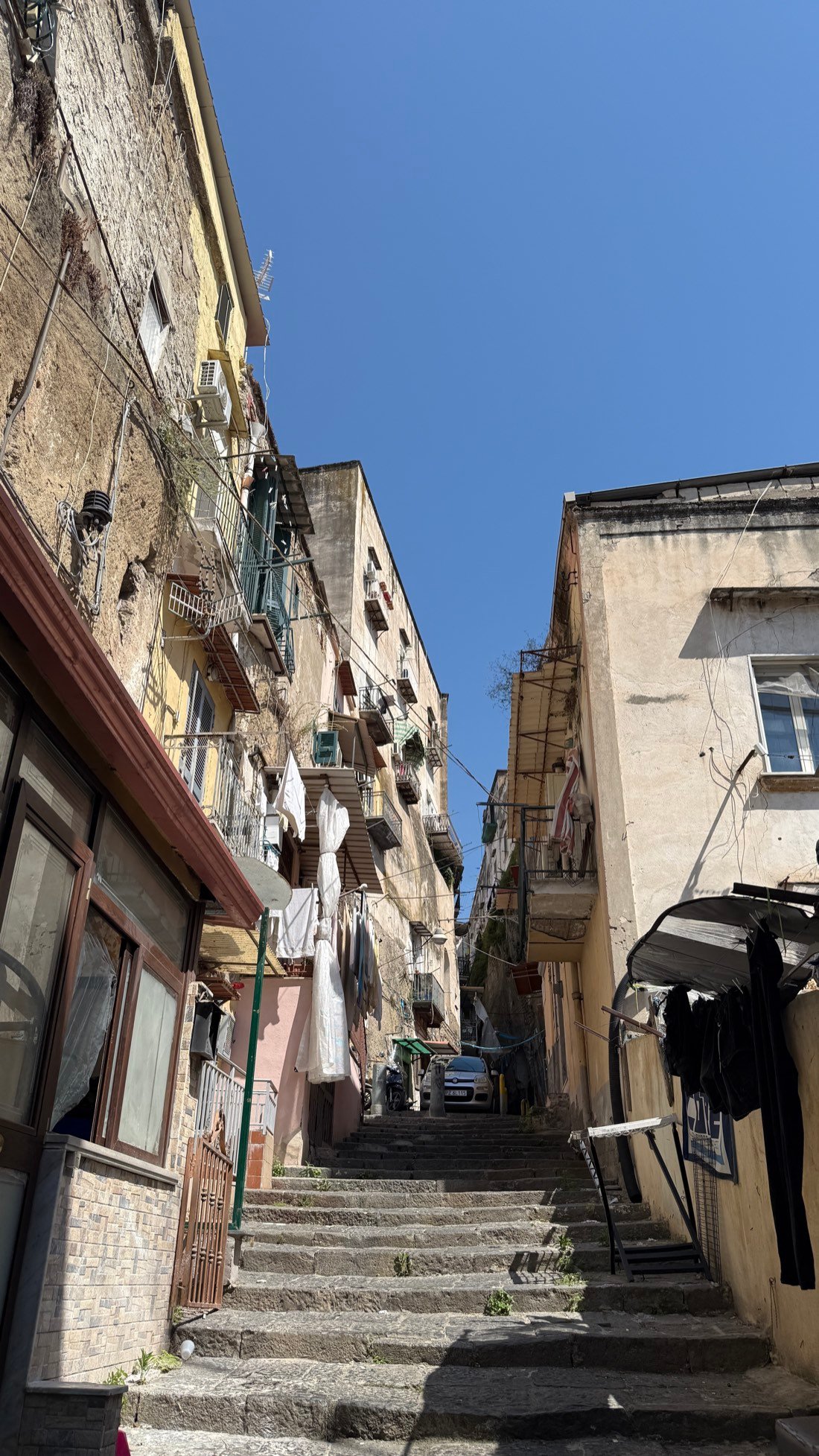
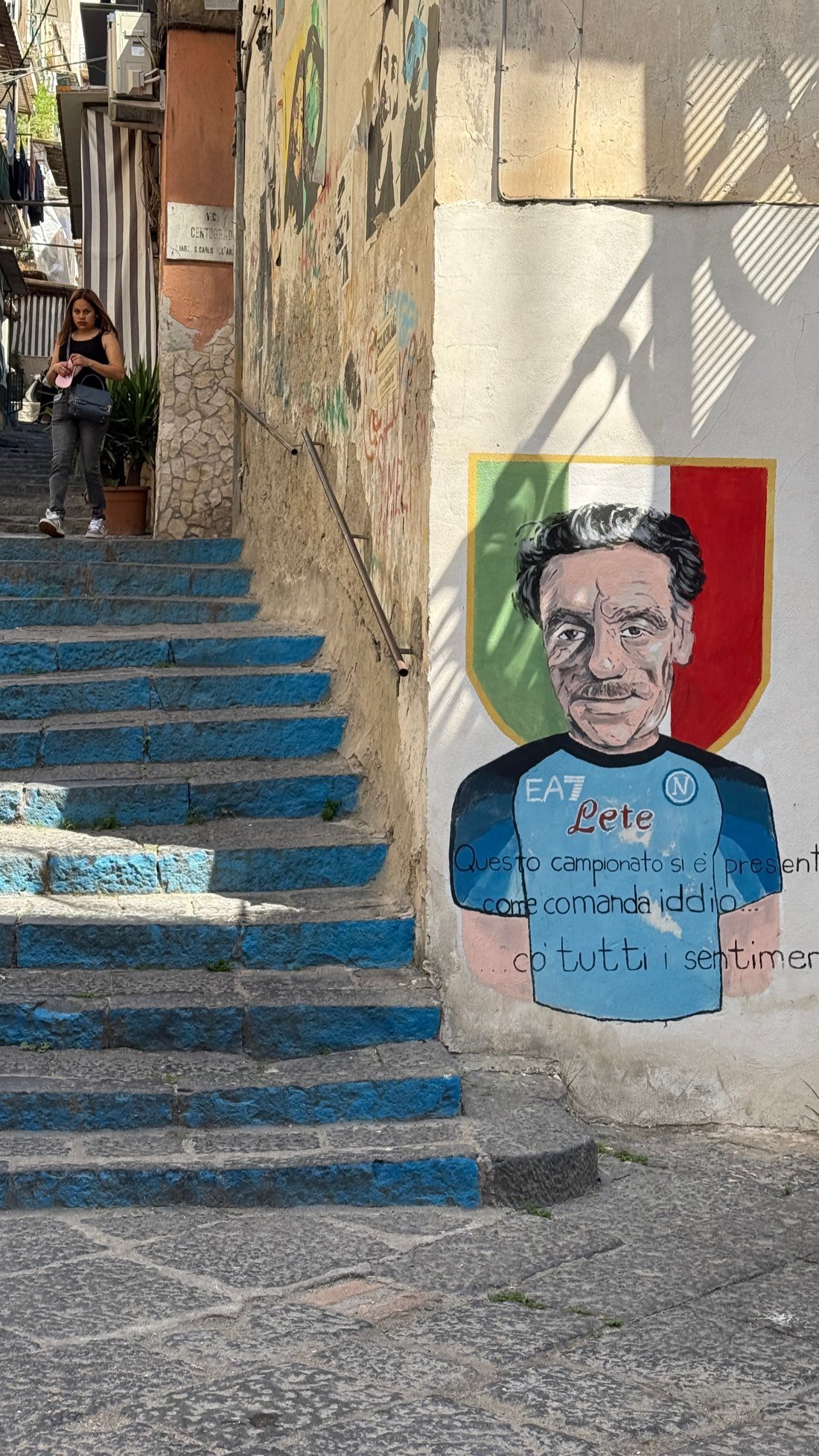
Back in Naples with some evening left, we went to Quartieri Spagnoli, the Spanish Quarter, and wandered its narrow, laundry-strung streets before heading over to Centro Storico, near the university, for dinner at Forno Pop.
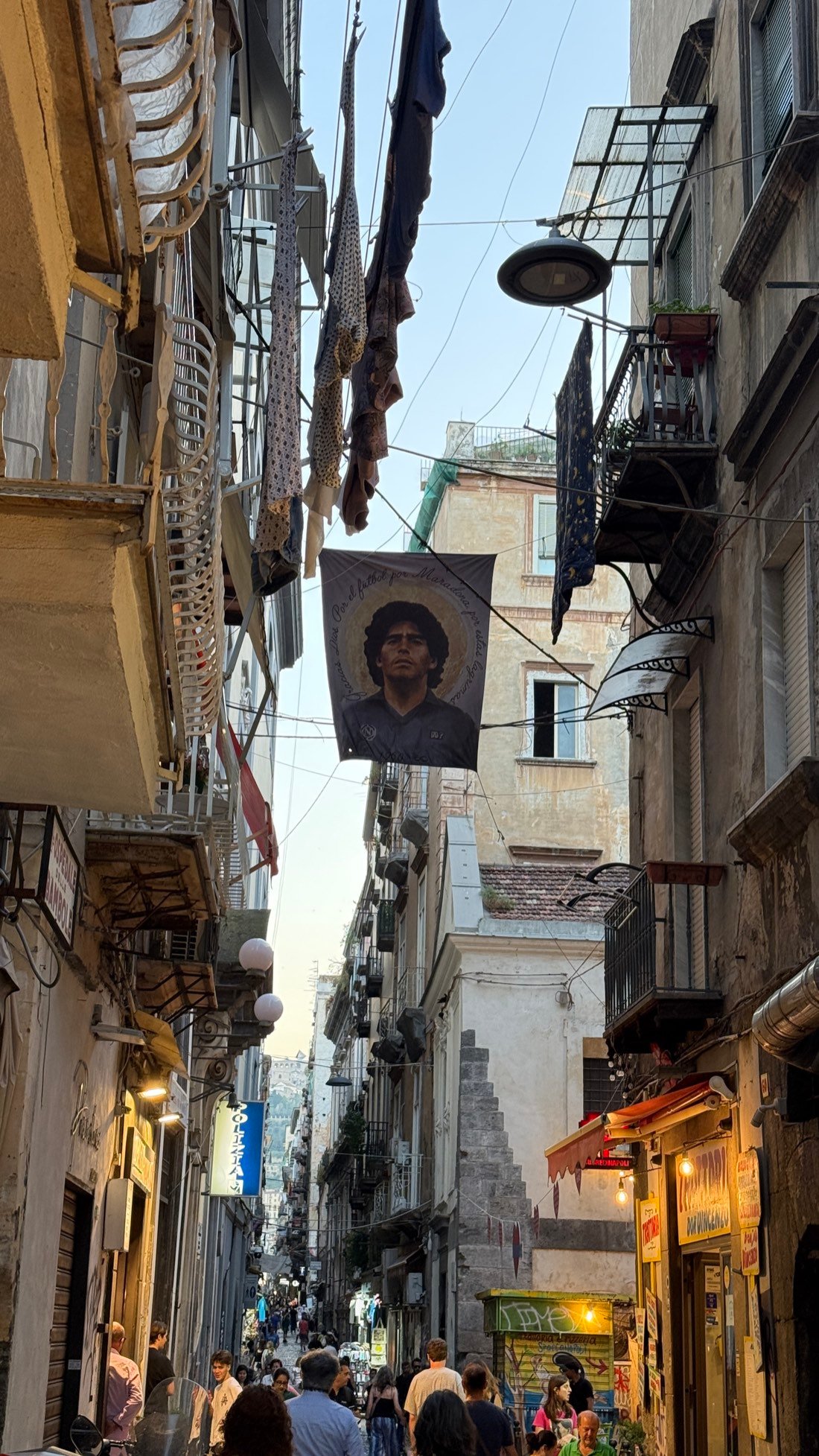


If you want a more structured version of that evening, a local guide runs a guided street food tour through Pignasecca market and Quartieri Spagnoli, tasting your way through the neighborhood with someone who actually knows it rather than guessing which stall looks good. GetYourGuide's app code ALYDIGITAL5 knocks 5% off if you book that way.
Day 4: A slow day (plus what we'd add)
Morning: keeping it loose
We kept our last day loose on purpose, mostly just revisiting favorite spots and eating our way through anything we'd missed.
Afternoon: lunch and Castel Sant'Elmo
For lunch, 120 Grammi Spaghetti Takeaway is worth building your afternoon around, we were obsessed. It's only open for lunch, so plan around that rather than trying to swing by for dinner.
Castel Sant'Elmo, up on Vomero hill, comes with the best panoramic view in the city and a ticket that includes the Museum of the 900 and an audio guide. Worth knowing before you book though: a few reviewers mention it's genuinely cheaper to just buy your ticket at the door, so treat this one as paying for the skip-the-line convenience and the audio guide.

If you want more: Naples Underground
If you're into history that's a bit stranger, the Naples Underground guided tour takes you beneath the city through 2,400 years of aqueducts and Roman theater remains.
We didn't do it ourselves, but it kept coming up as one of the most distinctive things to do in Naples that isn't a church or a museum, and at around 20 euros it's one of the cheaper bookable activities in this whole itinerary.
Is Naples safe? What I actually experienced
I'd looked up Naples before the trip and found a lot of warnings about pickpocketing and petty theft. But actually, over the 4 days I was there, I didn't run into any trouble at all. I kept my bag zipped and across my body, didn't flash my phone around on Quartieri Spagnoli's narrower streets, and that was about it. The city felt lively and loud more than threatening, even walking back to Vico Castrucci after dark.
Getting around Naples
Naples is walkable within each neighborhood, and we did a lot of it on foot. For anything further, the metro (Line 1 is the useful one for tourists), buses, and the three funiculars up to Vomero cover most of what you'll need.
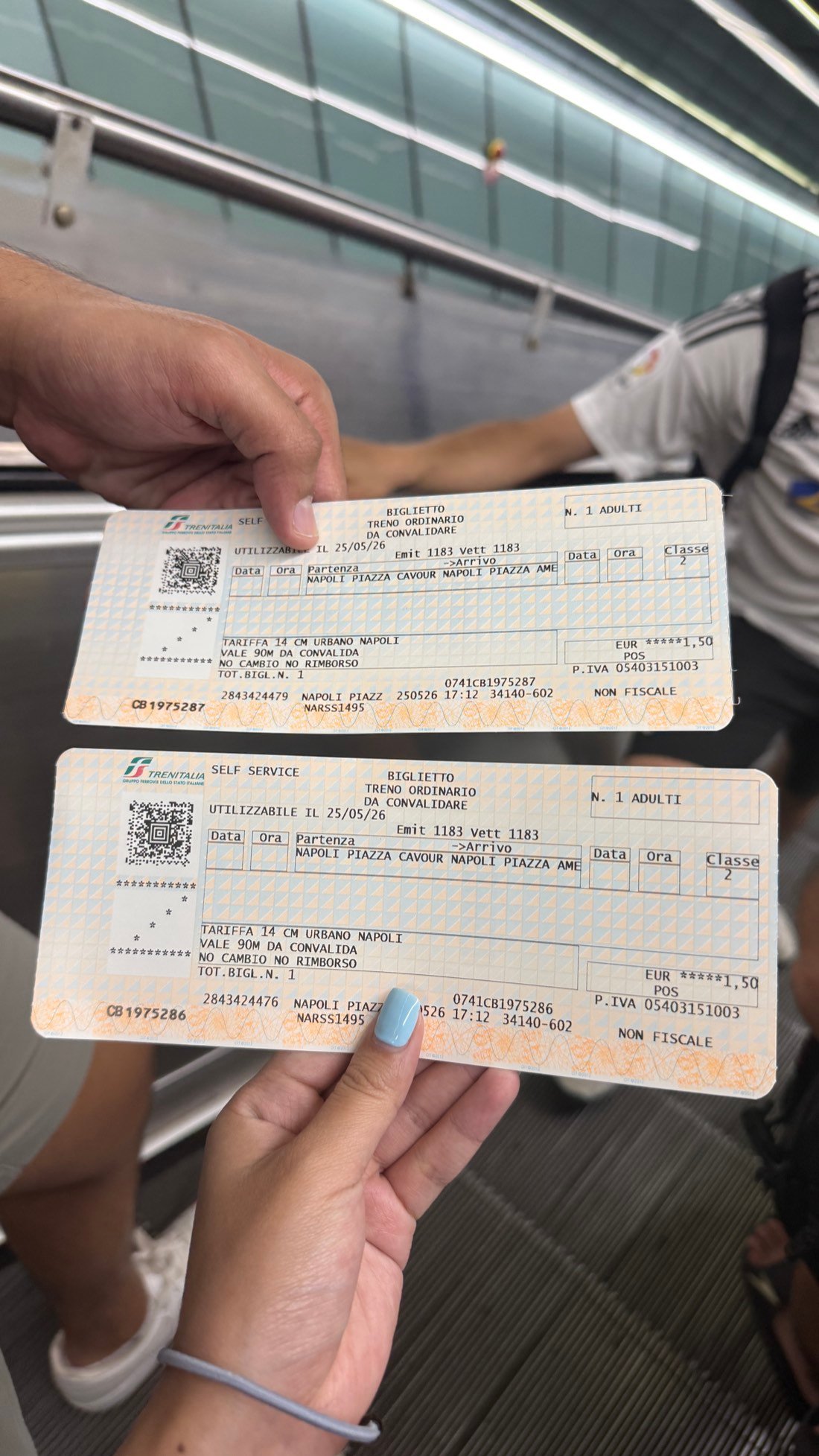
One thing worth knowing: validate your ticket before boarding. We'd heard that ticket inspectors sometimes can't confirm validation if you tap in with Apple Pay or Google Pay, so we played it safe and bought physical paper tickets from the machines every time and validated those instead. Can't confirm if the digital-payment issue is actually true, but it cost us nothing to be careful. Trains here weren't always reliable either. We once waited over 30 minutes at a platform and the train just never showed up, haha.
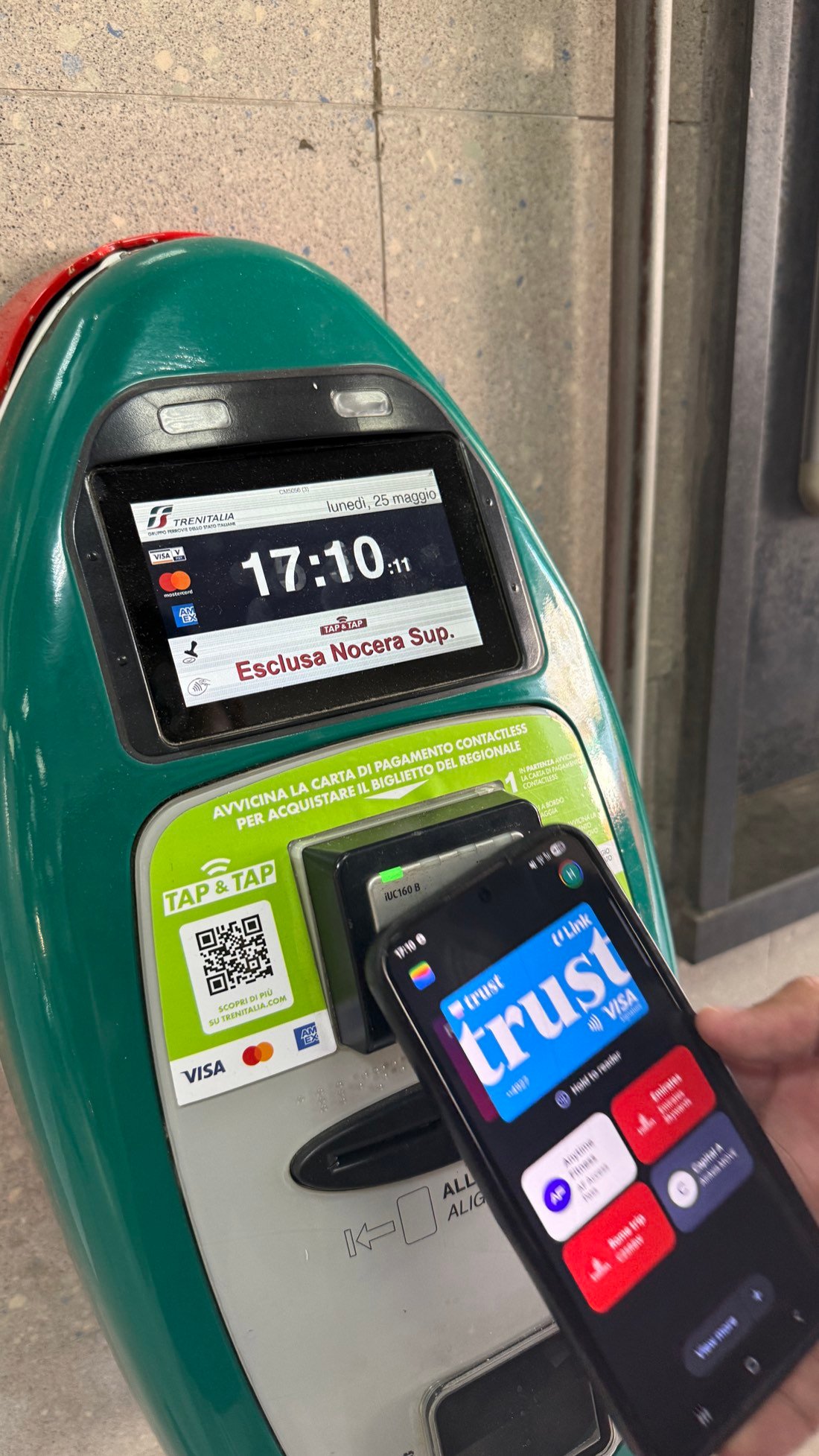
Our Amalfi Coast day trip picked us up locally, so that one needed no navigating on our part. Pompeii was different: I took the train there myself, the Circumvesuviana or the newer MET line from Napoli Centrale to the Pompeii stop, and it was straightforward enough with trains running roughly every 30 minutes.
Should you spend 4 days in Naples?
I'd do this exact 4 days in Naples itinerary again without changing much, including where we stayed. If I changed anything, it would be building in time for Positano on the Amalfi day if the schedule allows it.
Quick links for booking
Everything we used or looked at, in one place:
- Small group Pompeii tour with archaeologist guide and earpieces (what we booked) or the cheaper self-guided entrance ticket with audio guide
- Full day Amalfi Coast tour, Ravello to Amalfi to a photo stop
- Guided street food tour through Pignasecca and Quartieri Spagnoli, or a shorter version of the same route if you're tighter on time
- Private Capodimonte Museum tour
- Castel Sant'Elmo ticket with audio guide
- Naples Underground guided tour
- Browse hotels in Naples on Trip.com
- Browse hotels in Ravello on Trip.com
- Browse hotels in Amalfi on Trip.com
Code ALYDIGITAL5 takes 5% off GetYourGuide bookings if you're stacking a few of these.
FAQ
Is 4 days enough for Naples?
Yes. It's enough for one full city day, a Pompeii day trip, an Amalfi Coast day trip, and a slower day to fill in whatever you missed, without feeling rushed.
Is Naples safe to visit?
We didn't have any issues staying alert and keeping bags zipped and close. Naples has a reputation for petty theft, but normal travel precautions were enough for us.
Where should you stay in Naples?
Chiaia for a polished, waterfront base, Centro Storico for a central but calmer alternative to Quartieri Spagnoli, or Vomero if you want quiet and a view over the noise.
Can you do Pompeii and the Amalfi Coast as day trips from Naples?
Yes, both are easily done as guided day trips from Naples, which is exactly why it works so well as a home base for this stretch of Italy.
Do you need a car in Naples?
No. We got around entirely on foot, by metro, bus, and funicular, and both our day trips included transport.